Understanding Private Label Cosmetics
Definition and Overview
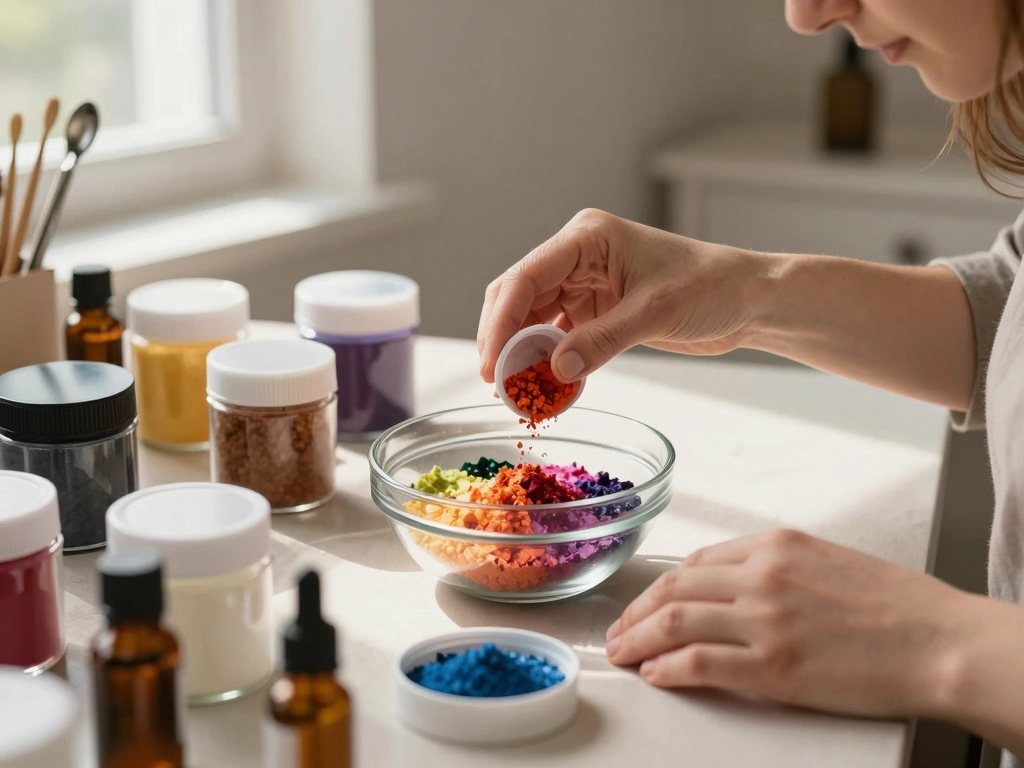
Private label cosmetics refer to beauty and personal care products that are manufactured by one company but sold under another company's brand name. This business model allows retailers to offer unique products without the need for extensive investment in research and development. Instead, they partner with manufacturers who specialize in creating cosmetics, allowing businesses to focus on branding, marketing, and sales.
Benefits of Private Label Cosmetics
Starting a private label cosmetics line comes with several benefits, including:
- Brand Control: Companies have full control over the branding, packaging, and marketing strategies, allowing for a unique positioning in the market.
- Higher Profit Margins: By cutting out the middleman, businesses can achieve higher profit margins compared to selling third-party products.
- Customization: Brands can tailor formulations, colors, and packaging to meet specific consumer preferences, thereby enhancing customer loyalty.
- Growth Potential: The cosmetics industry is continually evolving, and private label brands can quickly adapt to trends, providing a competitive edge.
Market Trends and Growth Potential
The global cosmetics market is projected to grow significantly, with a report by Grand View Research indicating that the market size is expected to reach $758.4 billion by 2025. The rise of e-commerce and consumer demand for personalized products are key drivers of this growth. Private label cosmetics are particularly appealing to consumers seeking affordable yet high-quality alternatives to established brands.
Initial Costs of Starting a Private Label Cosmetics Line
Product Development and Formulation Costs
The first step in launching a private label cosmetics line is product development. This phase includes formulation, which can vary in cost depending on the complexity of the product. For instance:
- A basic lip balm may cost between $1,000 and $3,000 to develop, whereas a specialized skincare product could range from $5,000 to $15,000.
- Hiring a cosmetic chemist can also add to costs, typically ranging from $50 to $150 per hour, depending on their expertise.
Branding and Packaging Expenses
Branding and packaging are crucial for establishing a cosmetic line’s identity. Costs in this area can include:
- Logo Design: Expect to spend around $300 to $1,500 for professional logo design.
- Packaging Design: Custom packaging can range from $2,000 to $10,000 depending on materials and complexity.
- Initial Packaging Costs: Depending on the product type, packaging costs can range from $0.50 to $5.00 per unit.
Compliance and Regulatory Costs
Cosmetic products must comply with various regulations, which can incur additional costs. In the United States, the FDA does not require pre-market approval for cosmetics, but companies must ensure their products are safe for use. Compliance costs may include:
- Testing for Safety: Testing can cost between $5,000 and $10,000 depending on the product.
- Label Compliance: Ensuring labels meet regulatory standards may require hiring a compliance consultant, adding another $1,000 to $3,000 to the budget.
Manufacturing and Production Expenses
Choosing the Right Manufacturer
Selecting the right manufacturer is critical to the success of a private label cosmetics line. Costs can vary significantly based on location, expertise, and production capabilities. Factors to consider include:
- Manufacturing Location: Domestic manufacturers may charge higher rates (around $5,000 for small batches) compared to overseas manufacturers (starting at $1,000), but they offer quicker turnaround times and easier communication.
- Specialization: Some manufacturers specialize in certain product types (e.g., skincare vs. makeup), which may influence pricing and quality.
Minimum Order Quantities and Pricing
Most manufacturers require a minimum order quantity (MOQ) to ensure profitability. Typical MOQs range from:
- 500 to 1,000 units for smaller brands, with costs around $2 to $5 per unit depending on the product type.
- Custom formulations may have higher MOQs, sometimes requiring orders of 2,500 units or more.
Quality Control and Testing Costs
Ensuring product quality is essential in the cosmetics industry. Quality control can involve:
- In-House Testing: Setting up an in-house lab can cost upwards of $10,000.
- Third-Party Testing: Utilizing third-party labs for quality assurance can range from $1,000 to $5,000 per product, depending on the tests required.
Marketing and Launch Costs
Website Development and E-commerce Setup
Creating an online presence is vital for reaching customers. Costs for website development can vary widely based on functionality. For a basic e-commerce site:
- Website Design: Expect to pay between $3,000 and $10,000 for professional design and setup.
- E-commerce Platform Fees: Platforms like Shopify charge monthly fees ranging from $29 to $299, plus transaction fees.
Digital Marketing Strategies and Budgeting
Once the website is live, investing in digital marketing is crucial. Costs may include:
- Social Media Advertising: Allocate a budget of $500 to $5,000 per month depending on target reach.
- Search Engine Optimization (SEO): Hiring an SEO expert can cost $1,000 to $3,000 per month to optimize your website.
Influencer Partnerships and Promotions
Influencer marketing can significantly boost brand visibility. Costs can vary based on the influencer's reach:
- Micro-Influencers: Partnering with influencers with 10,000 to 50,000 followers may cost $100 to $500 per post.
- Macro-Influencers: Those with over 100,000 followers can charge $1,000 to $10,000 per post.
Ongoing Operational Costs
Inventory Management and Storage Fees
Once the products are manufactured, managing inventory is essential. Costs can include:
- Warehouse Storage: Renting space can range from $1 to $3 per square foot per month.
- Inventory Management Software: Monthly fees for software can range from $30 to $300 depending on the features.
Shipping and Fulfillment Costs
Shipping costs can vary based on the size and weight of products. Cost considerations include:
- Domestic Shipping: Standard shipping may cost $5 to $15 per order.
- International Shipping: Rates can be significantly higher, ranging from $20 to $50 depending on the destination.
Customer Service and Returns Management
Providing excellent customer service is vital for retaining customers. Ongoing costs may include:
- Customer Service Staff: Salaries can range from $30,000 to $50,000 per year for full-time representatives.
- Returns Processing: Budget for return shipping costs, which can typically add $5 to $10 per return.
Conclusion
Starting a private label cosmetics line can be a lucrative venture, but it is essential to understand the various costs involved. From product development to ongoing operational expenses, careful planning and budgeting are critical. By being aware of the financial commitments involved, aspiring entrepreneurs can set realistic expectations and develop strategies to ensure their success in the competitive cosmetics market.