Understanding the Fundamentals of Crowdfunding for Community Gardens
Defining Crowdfunding and Its Importance
Crowdfunding is a method of raising capital through the collective effort of a large number of individuals, typically via online platforms. It plays a vital role in community gardens, providing the necessary financial resources to initiate and sustain such projects without relying solely on traditional funding sources. The importance of crowdfunding in community gardening lies in its ability to democratize funding, allowing community members to invest in and support local initiatives that reflect their interests and needs.
Types of Crowdfunding Platforms Suitable for Gardens
When considering crowdfunding options for a community garden, there are several platforms that cater specifically to community-based projects. Here are a few notable examples:
- Kickstarter: Known for creative projects, Kickstarter can be used to fund garden initiatives with a compelling project narrative.
- Indiegogo: Offers flexible funding options, meaning that even if the funding goal is not reached, funds can still be accessed.
- GoFundMe: Ideal for personal and community causes, it allows for ongoing fundraising without a fixed end date.
- Patreon: This platform is suited for ongoing projects, allowing supporters to contribute regularly in exchange for exclusive updates and rewards.
Legal Considerations for Fundraising
Before launching a crowdfunding campaign, it's essential to understand the legal implications involved. This includes:
- Tax Implications: Depending on the amount raised, there may be tax obligations for the funds received. Consulting with a tax professional can ensure compliance.
- Permits and Zoning Regulations: Local laws may require permits for community gardens. Researching local regulations can prevent legal issues down the line.
- Liability Insurance: Consider obtaining insurance to protect the garden and its volunteers from potential liabilities.
Building a Strong Community Foundation
Identifying Stakeholders and Community Interests
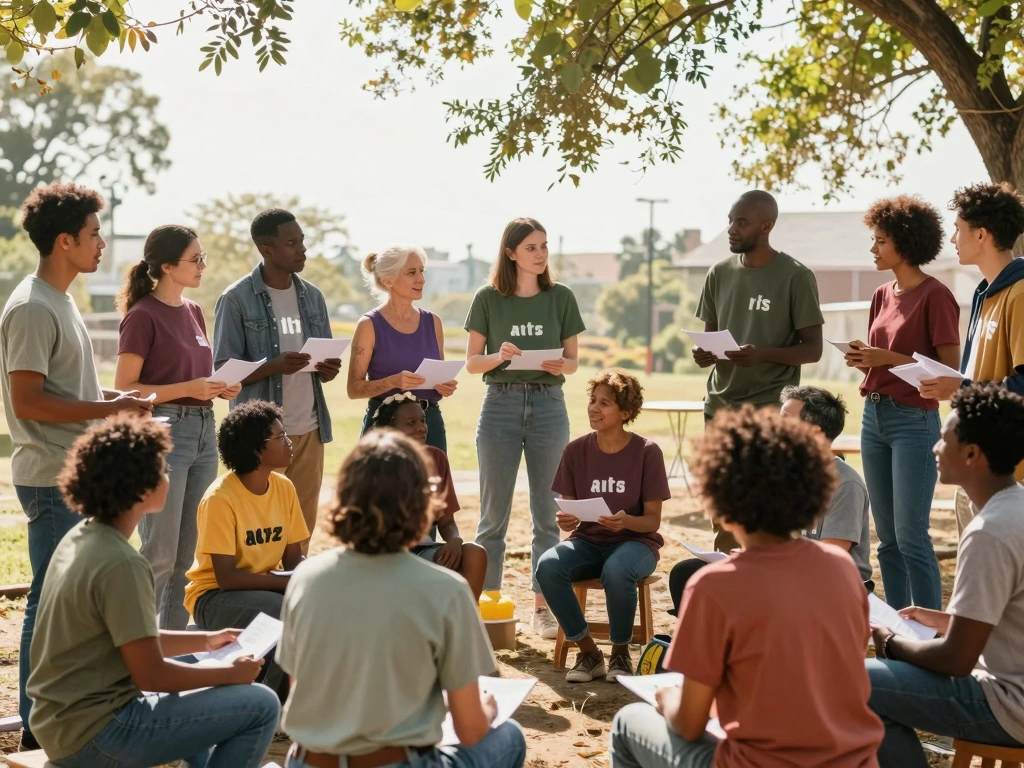
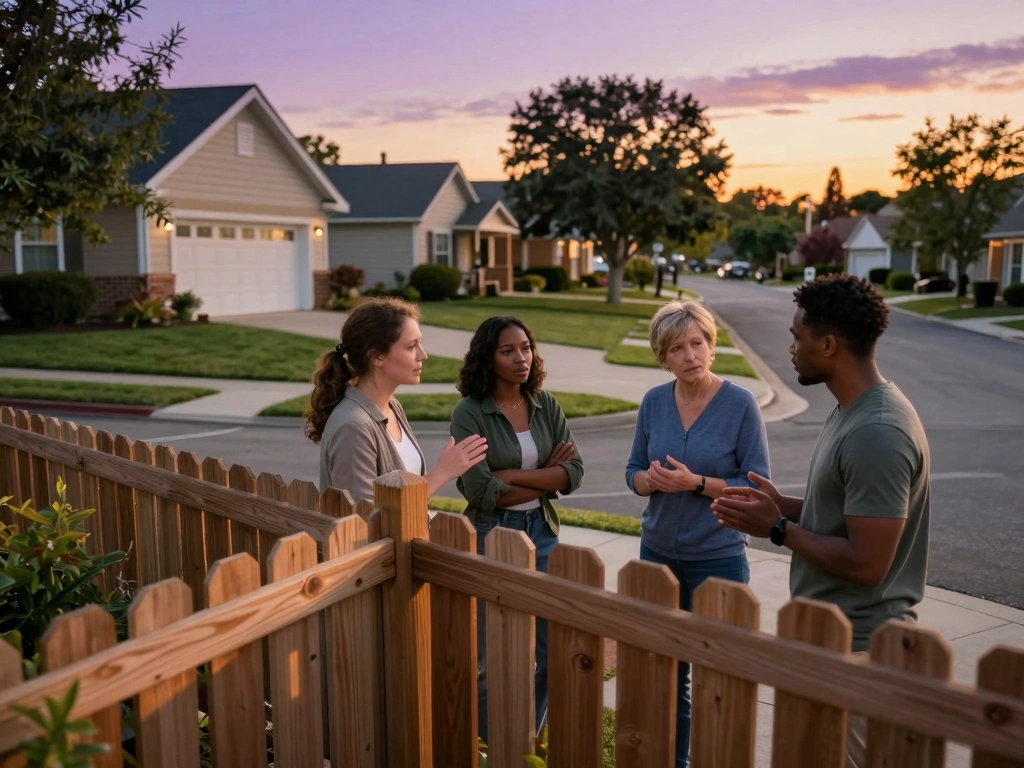
Identifying stakeholders is crucial for the success of a crowdfunded community garden. Stakeholders can include local residents, schools, businesses, and non-profit organizations. Conducting surveys or community meetings can help gauge interests, needs, and potential contributions. For instance, a community garden in Portland, Oregon, successfully engaged local schools to incorporate educational programs for children, thereby fostering a sense of ownership among families.
Engaging Local Residents and Volunteers
Engagement is key to building a sustainable community garden. Here are steps to effectively engage local residents:
- Hosting Workshops: Organize workshops on gardening, sustainability, and healthy eating to attract community members.
- Building a Volunteer Network: Create a volunteer sign-up sheet to encourage participation in garden maintenance and events.
- Creating a Newsletter: Regular updates via email can keep the community informed and excited about upcoming activities.
Creating a Governance Structure for Decision-Making
A clear governance structure is essential for smooth decision-making within a community garden. This can be achieved by forming a garden committee composed of volunteers and stakeholders who represent diverse interests. Establishing roles (e.g., treasurer, event coordinator) ensures accountability and allows for efficient management. For example, the community garden in New York City implemented a rotating leadership model, allowing different community members to take charge every few months, thereby fostering inclusivity and shared responsibility.
Designing an Effective Garden Plan
Choosing the Right Location and Space Utilization
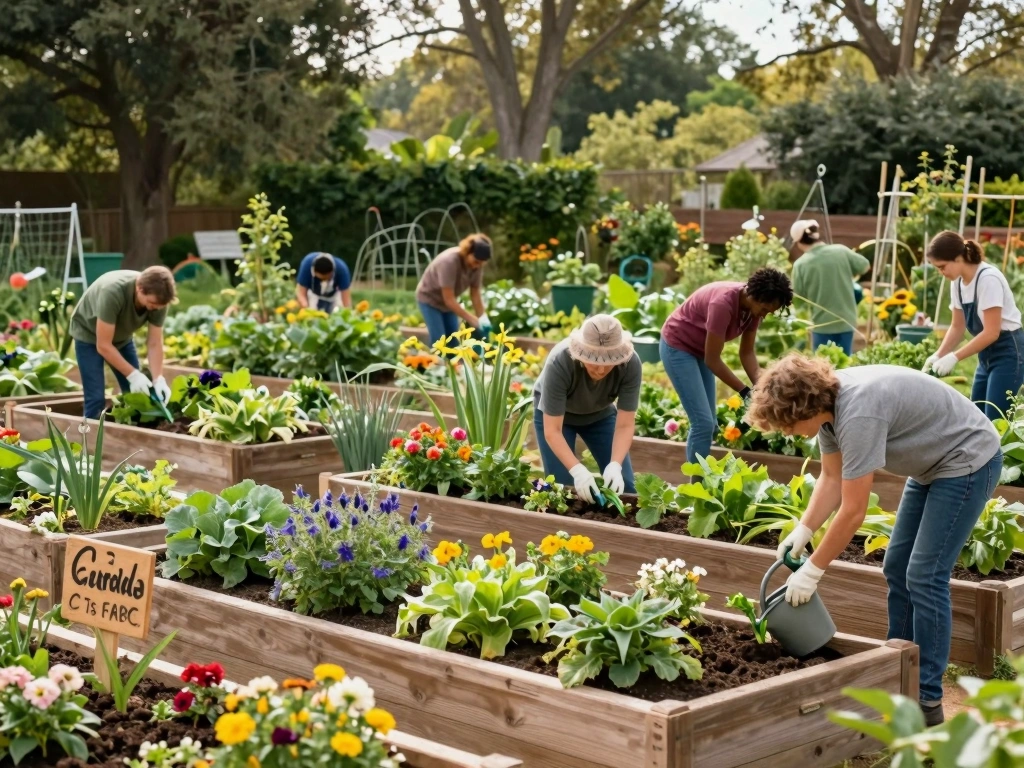
The success of a community garden heavily relies on its location. Factors to consider include sunlight exposure, soil quality, accessibility, and proximity to water sources. For instance, a garden located near a community center may attract more volunteers and participants. Additionally, utilizing space effectively is vital. Raised beds, vertical gardens, and intercropping are methods that can maximize yield in limited spaces.
Selecting Plants that Thrive in Your Environment
Choosing the right plants is essential for the garden's sustainability. Conducting a soil test can provide insight into what crops will thrive. Native plants and heirloom varieties are often best suited for local conditions. For example, the Victory Garden project in California focuses on drought-resistant plants, aligning with the local climate and promoting sustainability.
Incorporating Sustainable Practices in Garden Design
Implementing sustainable practices not only benefits the environment but also attracts community members interested in eco-friendly initiatives. Consider the following practices:
- Companion Planting: This method involves planting compatible species together to enhance growth and deter pests.
- Rainwater Harvesting: Collecting rainwater for irrigation can reduce water costs and promote sustainability.
- Composting: Establishing a composting area encourages waste reduction and provides natural fertilizer for the garden.
Marketing and Promoting the Crowdfunded Garden
Creating a Compelling Campaign Narrative
A compelling narrative is essential for attracting donors. The campaign should tell a story that highlights the community's needs, the garden's purpose, and the benefits it will bring. For example, the "Grow a Garden, Grow a Community" campaign in Chicago successfully illustrated how the garden would provide fresh produce to food-insecure neighborhoods while fostering community bonds.
Utilizing Social Media and Local Media Outlets
Social media is a powerful tool for promoting a community garden. Platforms like Facebook and Instagram can be used to share updates, photos, and events, helping to engage a wider audience. Collaborating with local media outlets for coverage can further amplify reach. A successful community garden in Toronto leveraged local radio stations to promote their opening day, resulting in a significant turnout and increased donations.
Organizing Events to Boost Visibility and Engagement
Hosting events such as plant sales, harvest festivals, or educational workshops can significantly increase community engagement and visibility. These events provide opportunities for residents to contribute, learn, and socialize, creating a vibrant garden culture. For instance, the Urban Garden Festival in Los Angeles not only raised funds but also brought together diverse groups to celebrate gardening and sustainability.
Measuring Success and Ensuring Longevity
Setting Goals and KPIs for the Garden Project
Establishing clear goals and key performance indicators (KPIs) is essential for measuring the success of a crowdfunded community garden. Goals may include the amount of produce grown, volunteer participation rates, or funds raised. For example, a goal could be to grow 500 pounds of vegetables in the first year, with monthly tracking of harvests to measure progress.
Gathering Feedback from the Community and Adjusting Plans
Regular feedback from community members is invaluable for the garden's growth and improvement. Surveys can be distributed after events, or informal meetings can be held to gather thoughts and suggestions. A community garden in Seattle implemented a feedback system where volunteers could leave notes about their experiences, leading to changes in plant selection and event planning based on community preferences.
Planning for Future Funding and Sustainability
Once the initial crowdfunding campaign is complete, ongoing sustainability must be a priority. This can include establishing membership programs, applying for grants, and hosting regular fundraising events. For example, the Green Thumb community garden in San Francisco successfully transitioned from crowdfunding to a membership model, where community members pay a small fee for access to garden plots and resources, ensuring long-term financial stability.